
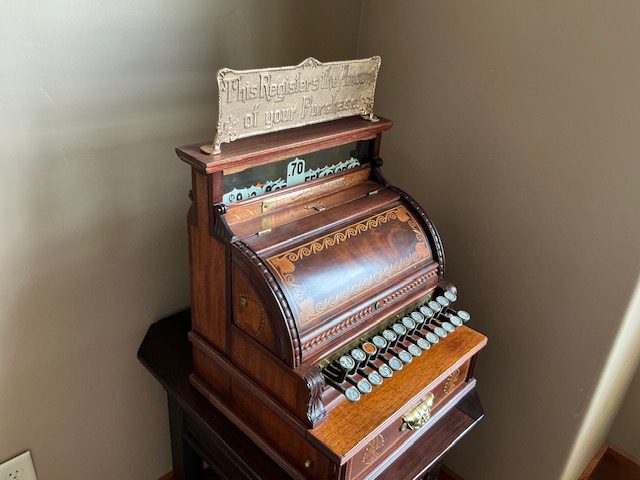
The National Cash Register Company, later NCR, was known for its early wood-cased cash registers, which were primarily produced between 1885 and the early 1890s. The Model 33, with its 33-key design, was one of these early models and would have been part of that period. These early registers, like the Model 33, were mechanical devices designed to prevent cashier theft and ensure accurate accounting of transactions.
Here’s a more detailed look:
- Early NC Registers:NCR’s early cash registers were made from wood, reflecting the materials and construction techniques available at the time.
- Model 33:The Model 33 was a specific type of cash register, identified by its 33-key design, which would have been part of NCR’s early wood-cased models.
- Function:These mechanical registers were designed to record and display transactions, helping to deter theft and improve bookkeeping accuracy.
- Evolution:NCR later transitioned to cast metal cabinets, and eventually to stamped metal and later, to electric and electronic cash registers, marking a significant evolution in the technology of cash registers.
- Model Designation:Early NCR registers, like the Model 33, were typically identified by a one- or two-digit model number.


